
A Parcel of Hope: Facing the Reality Between Grant Cycles
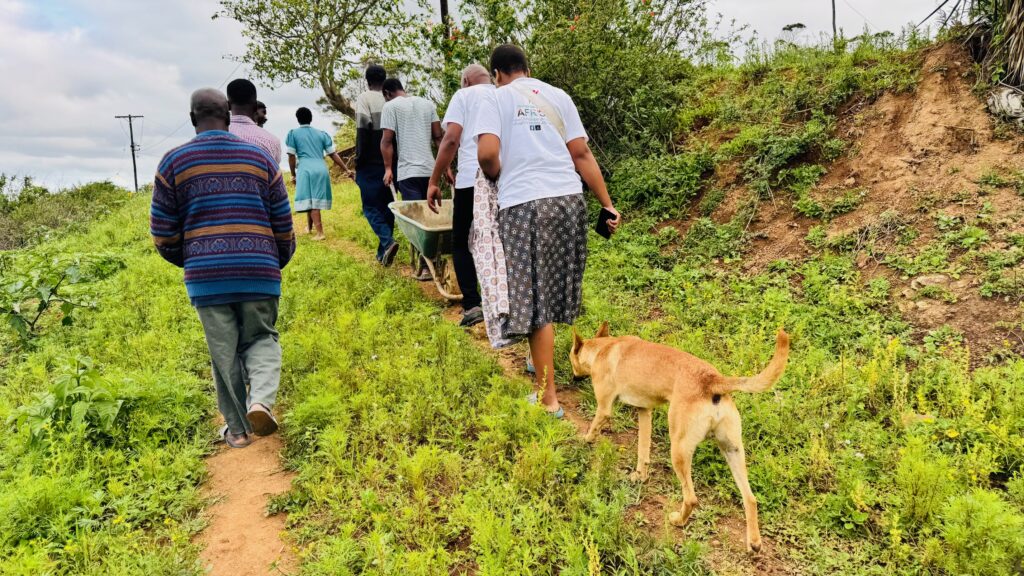
When we set out to deliver food parcels in the rural community of Dlengezwa, we knew we would meet need—but we were humbled by the depth of the stories behind each door. What we encountered was not just hunger, but the harsh mathematics of survival: a R370 Social Relief of Distress (SRD) grant stretched thin across overcrowded homes, unemployment, and the relentless demand of empty stomachs.
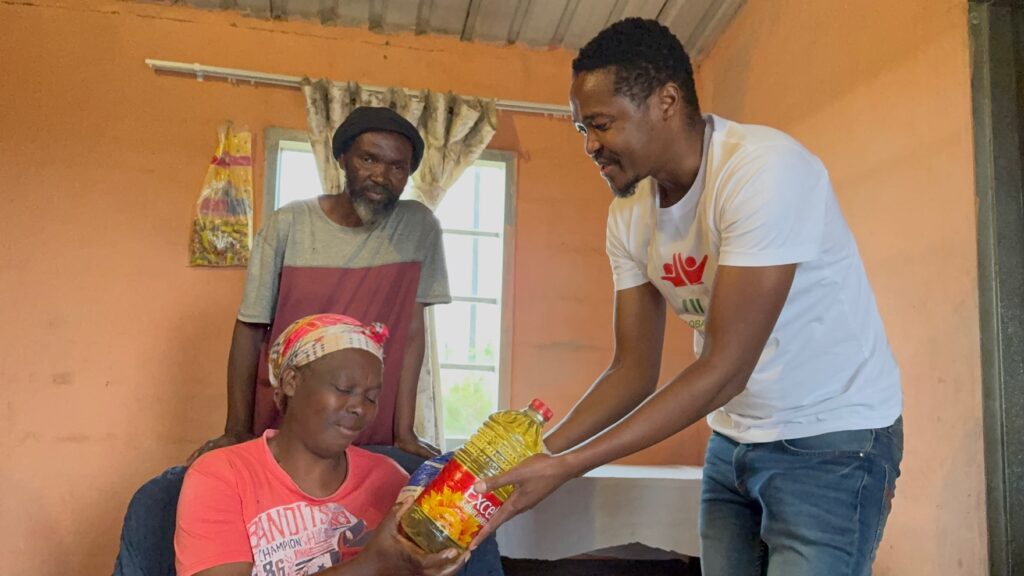
We visited families where multiple generations—and sometimes, as we learned, even two separate families—shared a single compound. The grant money, meager as it is, runs out weeks before the next payment. Parents and grandparents spoke softly of “the hungry gap,” those final days when pots stay empty, and hope wears thin. “The children,” one gogo reminded us, “they don’t understand ‘later.’ They need to eat now.”
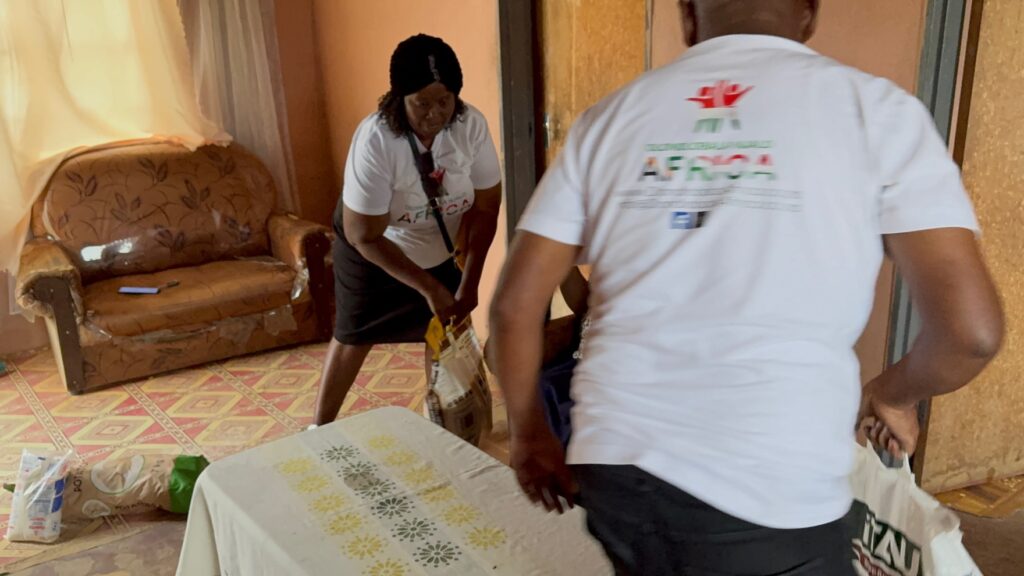
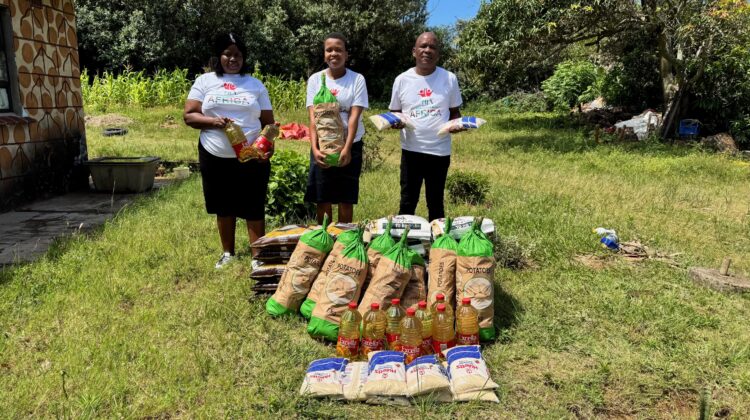
With the support of our donors, we were able to provide ten families with basic commodities: 10kg rice, 10kg sugar, 7kg potatoes, 2 litres of cooking oil, and a 2-litre Coke—a small luxury that brought unexpected smiles. For these households, this wasn’t just groceries; it was a bridge to the next grant, a cushion against desperation, and a tangible sign that they had not been forgotten.
The gratitude we received was profound, yet heartbreaking. One mother, holding her bag of rice tightly, said, “This means my children will eat properly for more than just a week.” Another admitted, “Usually, by the third week, we are just scraping by. Now we can breathe.”
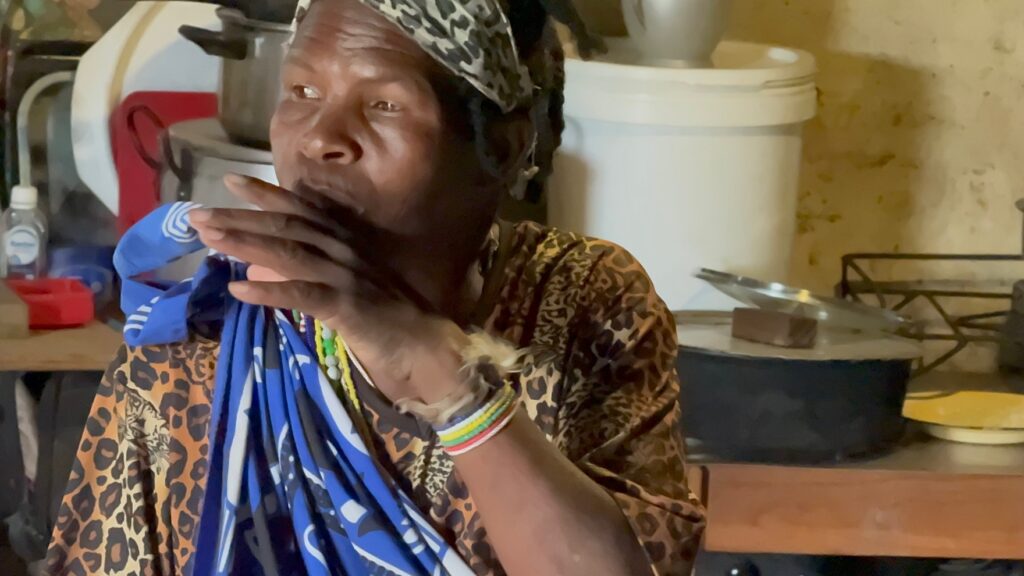
But behind every thank you was a quiet plea—a recognition that this parcel, though vital, is a temporary fix in a systemic crisis. The overcrowding, the unemployment, the sheer inadequacy of the grant system—these remain.
We left Dlengezwa with full hearts but heavy spirits. We had helped ten families. Yet we met ten more we couldn’t assist this time. The need is vast, but so is our resolve.
This initiative is more than charity. It is an act of solidarity—a statement that no parent should have to choose which day their child eats, and no elder should have to silently endure hunger. We are committed to turning these parcels of hope into pathways of sustainability, through skills development, food garden projects, and continued advocacy.
Because everyone deserves more than just scraps at the end of the month. They deserve dignity, security, and a future where a grant is a supplement—not a lifeline.
Join us as we work to close the gap between grant cycles and grow lasting solutions.